Home · Services · Emergency Water Removal
Emergency Water Removal in Troy, MI
Quick answer
Standing water extracted fast, day or night, because every hour of soak raises the drying and demolition bill. Troy crews meet this job most often in colonial and ranch subdivisions with finished basements, under cold winters with freeze and thaw cycles, wet springs, and humid summers.
In Troy, emergency Water Removal is read against the stock it serves: large colonial and ranch subdivisions built from the 1960s onward, homes with finished lower levels, and townhouse and condominium pockets. With cold winters with freeze and thaw cycles, wet springs, and humid summers, the local order of work is set before price, and the written scope names that order.
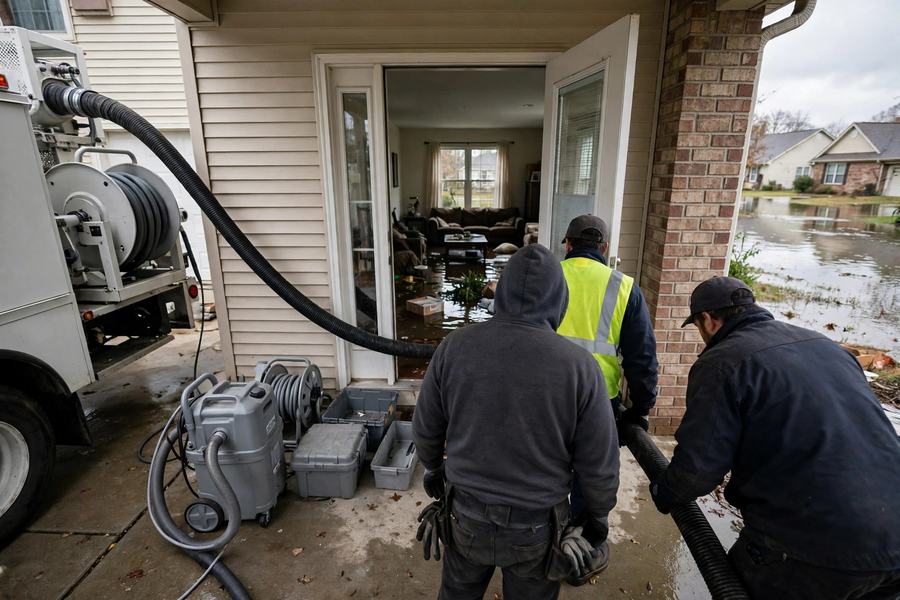
How we approach this job
Emergency response first: For emergency water removal in Troy, the buying situation is urgency: stop the damage from growing, make the property safe, and document conditions before anything is disturbed.
Signs you need emergency water removal
- A burst line, failed water heater, or overflowing appliance still releasing water. It usually means the source must be stopped before extraction means anything.
- Rain or floodwater entering through doors, windows, or a garage. It usually means documentation taken now is the claim's foundation later.
- Carpet that squelches when stepped on. It usually means the pad under the carpet is saturated even where the surface looks merely damp; pad and subfloor drive the drying scope.
- Water visibly pooled on floors or in a basement. It usually means standing water is migrating under walls and floors while it sits.
What the job involves
What affects the price
- Volume of water and number of rooms
- Time of day and how fast a crew can be dispatched
- Floor type (extraction from slab, wood, and carpet differs)
- Whether full structural drying follows the extraction
When it is an emergency
Standing water is the emergency itself. Every hour it sits, it wicks higher into drywall and deeper into subfloor. Cut power to affected rooms if water is near outlets, and call immediately.
PLACEHOLDEREmergency Water Removal across the Troy area
Related services
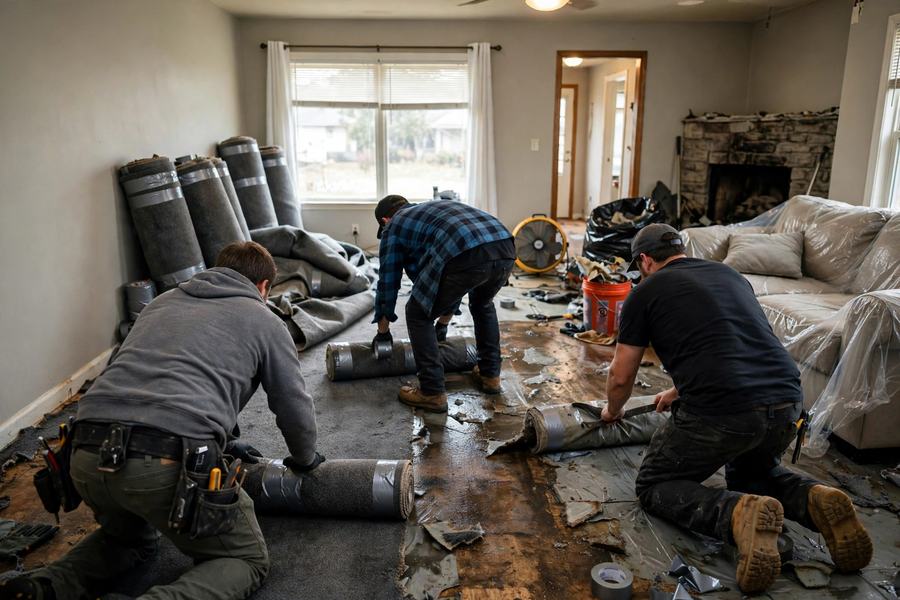
Water Damage Restoration
Water losses handled as one scope from extraction to rebuild, priced from a moisture map rather than a walkthrough glance. Across the Big Beaver side of Troy, the scope is written around colonial and ranch subdivisions with finished basements, and the price follows that read.

Burst Pipe Water Cleanup
Cleanup after a burst line that pairs the plumbing event with the drying scope, so both files tell the same story. The written scope for a Troy home names access and materials first, because sump failures and finished basement exposure drive the loss pattern.
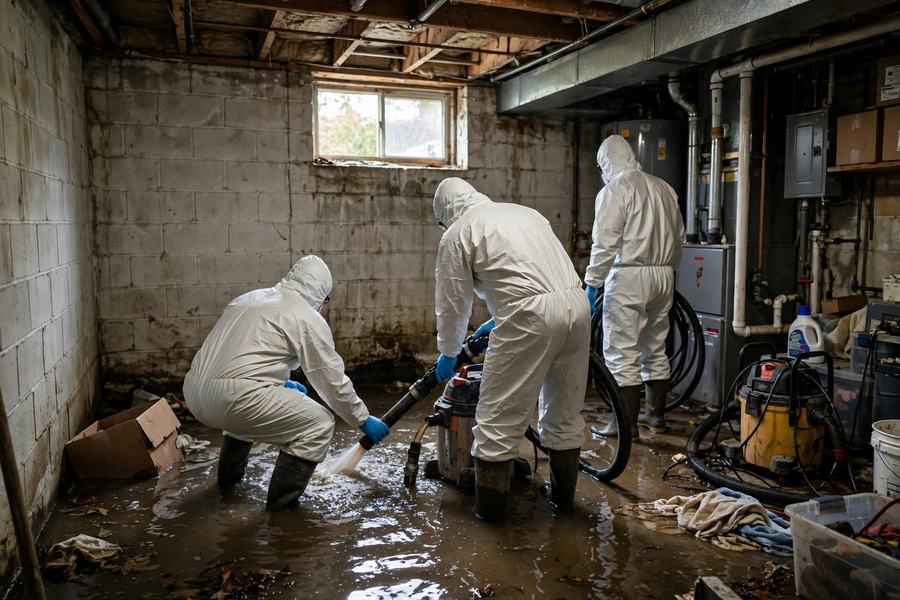
Sewage Backup Cleanup
Sewage losses handled as contaminated work: protective protocol, removal of porous material, and disinfection that is verified. Here, the pattern behind the call is consistent: sump failures and finished basement exposure drive the loss pattern, and the Big Beaver neighborhoods tend to show it first.
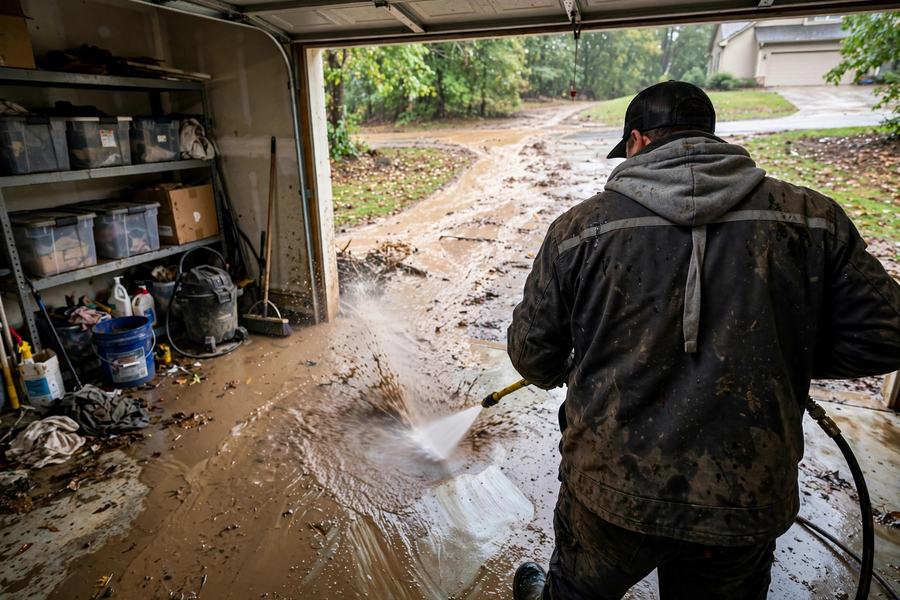
Flood Cleanup
Flood entries cleaned and dried with the contamination question answered honestly before finishes are discussed. Expect the first visit in Troy to start from the building itself: colonial and ranch subdivisions with finished basements, read against cold winters with freeze and thaw cycles, wet springs, and humid summers.
Emergency Water Removal questions, answered
When is emergency water removal an emergency?
Standing water is the emergency itself. Every hour it sits, it wicks higher into drywall and deeper into subfloor. Cut power to affected rooms if water is near outlets, and call immediately.
What affects the price of emergency water removal in Troy?
The main price factors for emergency water removal are covered in the cost section above. The contractor confirms the exact price in a written estimate after seeing the job, and nothing is owed until you approve it. The call and the referral are free.
Can I dry water damage myself with fans and a shop vac?
For a small, clean-water spill caught in the first hours, yes, often. Where DIY drying fails is wall cavities, under flooring, and below grade: surfaces feel dry while framing stays wet. If water reached walls, flooring seams, or a basement, metered drying is what prevents the second, mold-shaped bill.
Will there be mold after water damage?
Mold needs moisture, food (drywall paper, dust, wood), and time. Fast extraction and verified drying remove the moisture leg, which is why speed matters more than any spray. If a loss sat for days before drying, the contractor will check cavities and can tell you plainly what they find.
How long does structural drying take?
Most residential losses take 3-5 days of equipment time. Hardwood, plaster, and below-grade spaces run longer; carpet over slab is faster. Daily moisture readings, not the calendar, decide when equipment comes out.
Request a callback
Prefer to talk later? Leave your details and an independent local pro will call you back. No charge to you, no obligation.
Big Beaver Restoration is a free referral service. Submitting this form connects you with independent local contractors who provide the work.